Hello! I have two conures (one female and the other is unsure) and one of them has been laying eggs. I heard that you could tell if it is fertilized or not by cracking one open and looking for a “bullseye” on the yolk. I tried on an egg laid yesterday that cracked when she pushed it off and this is what I saw. It seems like there isn’t a bullseye? Or a really faint one if you look carefully so I’m not sure what that means? I would try candling but my female has no interest in sitting on her egg and I don’t have an incubator either. Is anyone able to tell if this is fertilized or not?

-
Welcome to Avian Avenue! To view our forum with less advertisments please register with us.
Memberships are free and it will just take a moment. Click here
You are using an out of date browser. It may not display this or other websites correctly.
You should upgrade or use an alternative browser.
Is this egg fertilized? (1 Viewer)
- Thread starter Rainn
- Start date


Zara
♥❀Livin´ in Lovebird Land❀☼
Super Moderator
Avenue Veteran
Celebirdy of the Month
Mayor of the Avenue
Avenue Spotlight Award
Avenue Concierge
It is an interesting question because that is never going to hatch now. I´m unsure of the purpose of the question?
If you are interested in breeding but your hen won´t sit, it would mean you will need an incubator to brood the eggs. After 5 days brooding, you can candle for a clear result. Keep in mind that going this route means the hen won´t raise the chicks so you will have to do all the feeds from day 1 as well as caring around the clock.
A DNA test on your second bird could be helpful - then you will know if the egg even has potential to be fertilized or not.
It is an interesting question because that is never going to hatch now. I´m unsure of the purpose of the question?
If you are interested in breeding but your hen won´t sit, it would mean you will need an incubator to brood the eggs. After 5 days brooding, you can candle for a clear result. Keep in mind that going this route means the hen won´t raise the chicks so you will have to do all the feeds from day 1 as well as caring around the clock.
Hello, thank you for your response and insights. I think I’m just trying to see if the other bird is male or not and if they have the potential to breed. They were together for a few years so I assumed both were female until the female just started egg laying. I know they both could be female like I expected, and the egg wouldn’t be fertilized which is why I’m trying to figure it out since the egg already broke anyways. She is likely still going to lay another egg, and if this one was fertilized, I may get an incubator. Going to get a DNA test done, but results take a while to come so I was curious as to if anyone here could make a guess in the meantime.
Last edited:
Zara
♥❀Livin´ in Lovebird Land❀☼
Super Moderator
Avenue Veteran
Celebirdy of the Month
Mayor of the Avenue
Avenue Spotlight Award
Avenue Concierge
Personally I would opt for the DNA test before forking out on an incubator as well as a brooder and all the other supplies (unless you have other birds you are interested in breeding).
If she lays another egg in the meantime, you could leave it with her. Try putting some wood shavings under it if you can, or some crinkle paper - but if she won´t sit on it, then it is what it is. There´s always next time (and you should have your results before the next clutch).
Understood, thank you again for your help!Personally I would opt for the DNA test before forking out on an incubator as well as a brooder and all the other supplies (unless you have other birds you are interested in breeding).
If she lays another egg in the meantime, you could leave it with her. Try putting some wood shavings under it if you can, or some crinkle paper - but if she won´t sit on it, then it is what it is. There´s always next time (and you should have your results before the next clutch).
crisevan34
Checking out the neighborhood
- Joined
- 12/23/22
- Messages
- 2
- Real Name
- cris evan
I think all birds' s eggs fertilized except chickens and ducks because they can lay eggs without sperm.

flyzipper
Rollerblading along the road
Avenue Veteran
Celebirdy of the Month
Mayor of the Avenue
Avenue Spotlight Award
They can lay eggs, but without sperm there can be no fertilization.I think all birds' s eggs fertilized except chickens and ducks because they can lay eggs without sperm.

They can definitely lay without sperm - there just won’t be a chick without it. As far as I’m aware, any egg laying species can and will produce eggs, with or without a male. The male is just required if there are to be babies.I think all birds' s eggs fertilized except chickens and ducks because they can lay eggs without sperm.

- Joined
- 7/27/21
- Messages
- 1,271
- Real Name
- Shannan
I have seen the bulls eye in chickens and to me that egg does not look like it was fertilized. Of course others could be but for just an inexpensive way of possibly determining if you have a pair, I think that is not a terrible idea if you had no intention of letting her sit the eggs. Of course a DNA test would confirm it for you. Since your bird has no interest in sitting, you might consider boiling the other eggs so you don't end up with any surprise babies that you are not ready to take on (and it sounds like your conure isn't either). You can just boil them and put them back. Also know that although she may not show interest right now, most birds won't start sitting on the nest until they are finished laying that way all the eggs hatch together.
- Joined
- 7/27/21
- Messages
- 1,271
- Real Name
- Shannan
Bird eggs cannot be fertilized without a male. They do lay whether or not they are fertilized but an unfertilized egg can never hatch.I think all birds' s eggs fertilized except chickens and ducks because they can lay eggs without sperm.

tka
Rollerblading along the road
Avenue Veteran
Celebirdy of the Month
Mayor of the Avenue
Avenue Spotlight Award
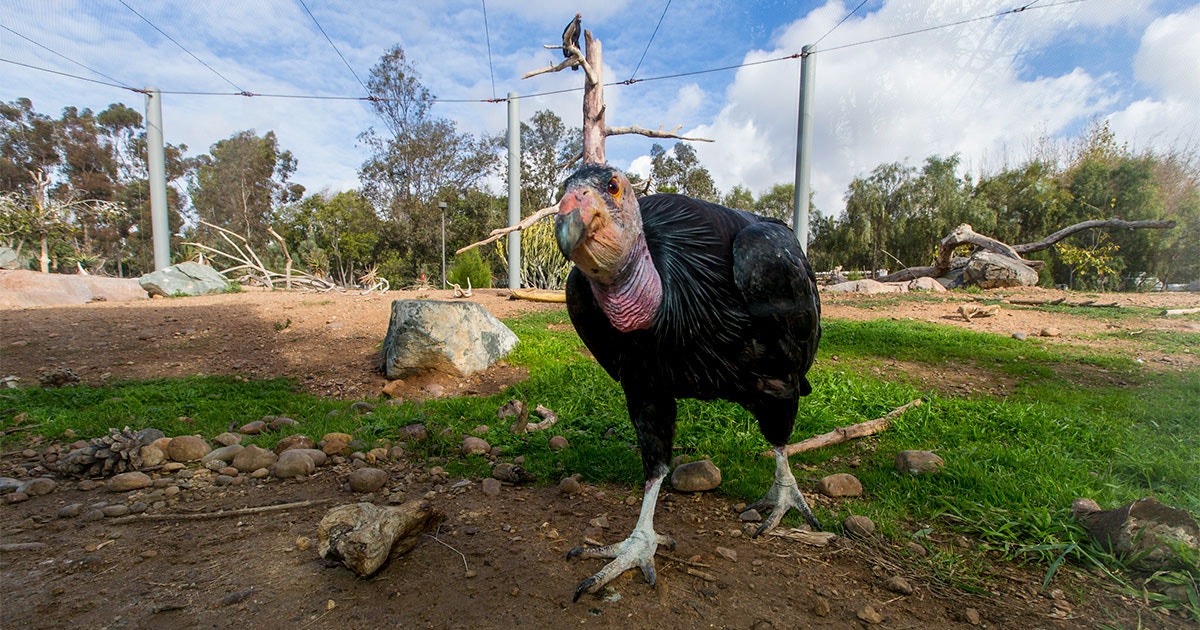
Parthenogenesis has been documented in some species of bird, but is very rare
 www.audubon.org
Generally speaking, you need a male and female to lay fertilised eggs. A female kept by herself or whose mate is another female will lay eggs but as a general rule, these eggs will not be fertile and will not hatch.
If parrot eggs from a lone female or from a same-sex pair did hatch, then you have possibly the first documented case of parthenogenesis in parrots and related hookbills.
Newly Recorded Condor ‘Virgin Birth’ Is Another Way Birds Are Like Reptiles
Zoo researchers discovered that two female California Condors had reproduced without males, a phenomenon known as parthenogenesis.
Generally speaking, you need a male and female to lay fertilised eggs. A female kept by herself or whose mate is another female will lay eggs but as a general rule, these eggs will not be fertile and will not hatch.
If parrot eggs from a lone female or from a same-sex pair did hatch, then you have possibly the first documented case of parthenogenesis in parrots and related hookbills.
I can’t get the link to open - but would that situation be the way it is in reptiles where the female basically “retained” the speed from her last mate?Parthenogenesis has been documented in some species of bird, but is very rare
Newly Recorded Condor ‘Virgin Birth’ Is Another Way Birds Are Like Reptiles
Zoo researchers discovered that two female California Condors had reproduced without males, a phenomenon known as parthenogenesis.
Generally speaking, you need a male and female to lay fertilised eggs. A female kept by herself or whose mate is another female will lay eggs but as a general rule, these eggs will not be fertile and will not hatch.
If parrot eggs from a lone female or from a same-sex pair did hatch, then you have possibly the first documented case of parthenogenesis in parrots and related hookbills.
tka
Rollerblading along the road
Avenue Veteran
Celebirdy of the Month
Mayor of the Avenue
Avenue Spotlight Award
I can’t get the link to open - but would that situation be the way it is in reptiles where the female basically “retained” the speed from her last mate?
No, the researchers identified that this happened through genetic testing. Californian condors are endangered and such a small population that there are genetic samples from every individual; the researchers realised that they had two (now deceased) males who only had genetic material from their mothers and nothing from the mother's long-term mate. I believe they also ruled out that the mother had mated with an unknown male.
Users who are viewing this thread
Total: 2 (members: 0, guests: 2)
Share:
